 搜索
搜索


 搜索
搜索
5 Emerging Distribution Channels Pros,Cons
Of all the emerging channels discussed, Guestmob got the highest marks from workshop attendees at HSMAI"s Revenue Optimization Conference, who viewed it as a potentially viable semi-opaque platform.
As the distribution landscape continues to fragment, revenue managers are being tasked with keeping tabs on the latest and greatest new platforms.
But are all channels created equal? Attendees during a workshop at HSMAI’s Revenue Optimization Conference had mixed reviews as they discussed the following five discount models.
1. Backbid
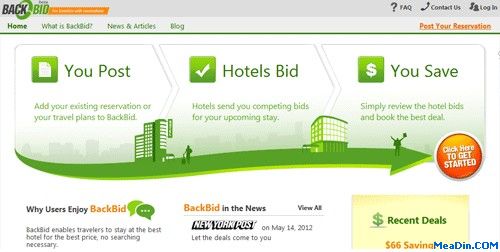
As HotelNewsNow.com has written in the past, BackBid is a hotel booking site where travelers post their existing hotel reservations and accept bids from alternative properties to find the best value for their upcoming hotel stay.
The channel empowers consumers to find the best room for the best price, knowing all the details about a given property before accepting a new bid. There’s no risk involved, as they can deny any bid and keep their existing reservation.
While the site touts its focus on confirmed travelers and ability to sell distressed inventory as a plus for hoteliers, attendees of the HSMAI workshop were not as impressed. At its best, they said Backbid allows them to possibly unload inventory at a low yield. At its worst, they said the channel encourages a downward spiral, with competitors outbidding each other with lower and lower rates.
2. Guestmob
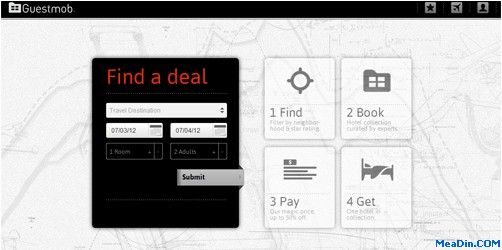
The semi-opaque Guestmob allows guests to choose from a collection of hotels in select cities.
Here’s how it works: A guest registers on the free site and then searches within one of 20 select U.S. cities by date. Guestmob produces a list of “collections” that typically include from four to eight similarly rated and located hotels, which guests can view by name.
A recent search for hotel rooms in Chicago, for example, yielded, among others, a collection for “The Loop-Downtown,” which offered a room rate of $157 for eitherThe Wit, Swissotel, Hyatt Regency, Fairmont Millennium Park, Hotel Allegro and Palmer House Hilton.
Only after guests confirm the booking do they see at which hotel they’ve actually made the reservation.
The channel streamlines the booking process for guests, arranging hotels in like-minded, curated clusters as opposed to a list hundreds of properties long on most hotel booking engines. It also allows travelers to peak past the curtain of traditional opaque channels and see at which properties they might be booking. Bookings made on Guestmob are also refundable.
Guestmob streamlines the distribution process for hoteliers, who only have to release inventory the Thursday before check-in when it’s clear the room is not being sold on other online travel agencies. Guestmob allows hoteliers to maintain rate parity with other channels and still capture full-price bookings on brand.com.
Of all the emerging channels discussed, Guestmob got the highest marks from workshop attendees, who viewed it as a potentially viable semi-opaque platform.
3. Hall St.
European channel Hall St. is where hotel distribution collides with swap meets. Guests register on the platform, negotiate rates with hotels, and then can either enjoy the pre-paid reservation themselves or sell it to other users.
The platform acknowledges that “last-minute changes are part and parcel of modern-day lift” and gives guests the freedom to change the name on their reservations or sell them to other users.
But hoteliers participating in the HSMAI workshop said Hall St. was a dead end, claiming it was too convoluted to gain a following and too labor-intensive and complex for them to devote already-strapped resources. As one attendee said, “I’d prefer to take a detour.”

4. Tingo
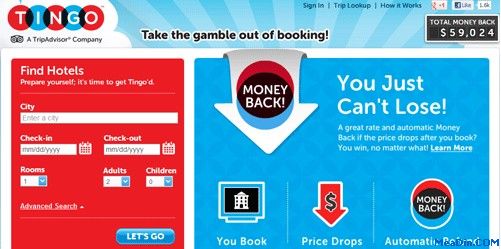
Another familiar distribution channel to readers of HotelNewsNow.com, Tingo monitors any changes in hotel rates travelers have booked and then rebooks them at the lower rate at no cost to the client should the rate drop (provided there are no cancellation charges).
The value to consumers is obvious: Travelers book the exact room they want and sit back and watch as the rate falls closer to the booking date.
Tingo also claims a number of benefits to hoteliers, including longer booking windows (an average of 45 days), longer length of stay, higher average daily rate and bookings made on more expensive, flexible rates.
But workshop attendees were not so sure. They feared the platform would expose weaknesses in existing discounting practices and thus erode rate. While they agreed Tingo was perhaps the most user-friendly of all the channels discussed, they also predicted hoteliers might respond by instituting more aggressive cancellation penalties to prevent rebookings.
5. Traveltipping
Traveltipping tips the booking process in favor of guests—or so the site claims—by creating unique travel packages to destinations throughout the world at a fraction of the cost. Guests start their search by selecting one of six world regions: North America & Caribbean, Latin America, Europe, Africa & Arabia, Asia and Oceania. Each region generates a handful of travel deals, such as four-night stay for two at an “eco adventure lodge” in the Dominican Republic.
Deals are quantity limited, allowing suppliers to sell what they want, when they want. They’re also marketed as packages to help drive value and increase ancillary spend. The aforementioned deal in the Dominican Republic, for example, included a kayak excursion, mountain bike ride, daily breakfast and additional taxes in addition to the hotel stay.
The goal is to help suppliers sell distressed inventory and increase seasonal revenue during shoulder periods, according to the site.
Hoteliers were nonplussed, however. Those sharing their thoughts during the workshop said there was not much about Traveltipping that stood out from either a consumer or hotelier perspective. It was yet another in a litany of similar packaged-deal sites, they said.

0


